Telematics technology drives efficiency in HDD operations
Efficiency, accuracy and productivity have never been more vital in the construction industry — especially for today’s underground job sites. Machine performance plays a critical role in the success of a project, which traditionally has presented a significant challenge. Monitoring the health and productivity of horizontal directional drills has meant relying on operator feedback and manual checks, which can leave too much room for uncertainty and guesswork.
Telematics offers a powerful tool to overcome these challenges, manage complex job sites and work within tightening project margins. From tracking machine utilization and diagnostics to fine-tuning maintenance routines and adapting to job sites variables, telematics is reshaping HDD fleet management from the ground up.
Uninterrupted operations are critical in an environment where costs are rising, there’s a shortage of skilled labor and timelines continue to become more compressed. While using telematics may feel like a luxury compared to the tools available in the past, it’s actually a strategic asset that offers a competitive edge.
Optimizing value through precision
To achieve peak performance and maximum value with HDD machines, contractors and fleet managers must make informed decisions throughout the life cycle. It starts with placing appropriate bids based on projected demand and selecting the right equipment for specific tasks — and continues through consistent, efficient operation of machines and performing timely maintenance to optimize lifespan.
All these decisions require deep insights — and telematics data provides them in real time. With a data-driven approach, teams can ensure equipment operates efficiently and improve ROI.
HDD machines with telematics can capture a variety of operating parameters — including rotation, speed, force, thrust and mud flow — when deployed on the job sites. This data can give contractors a clearer view of how machines perform across different terrain, supporting more accurate bids and more strategic machine selection based on ground conditions.
Contractors may also discover cost-saving opportunities in the field with telematics. For example, if machines are running idle for extended periods of time, contractors can address fuel inefficiencies. If equipment is being overworked, operators can receive targeted training to prevent future wear and tear. These and other insights provide a valuable way to identify issues and take action to prevent future financial losses.
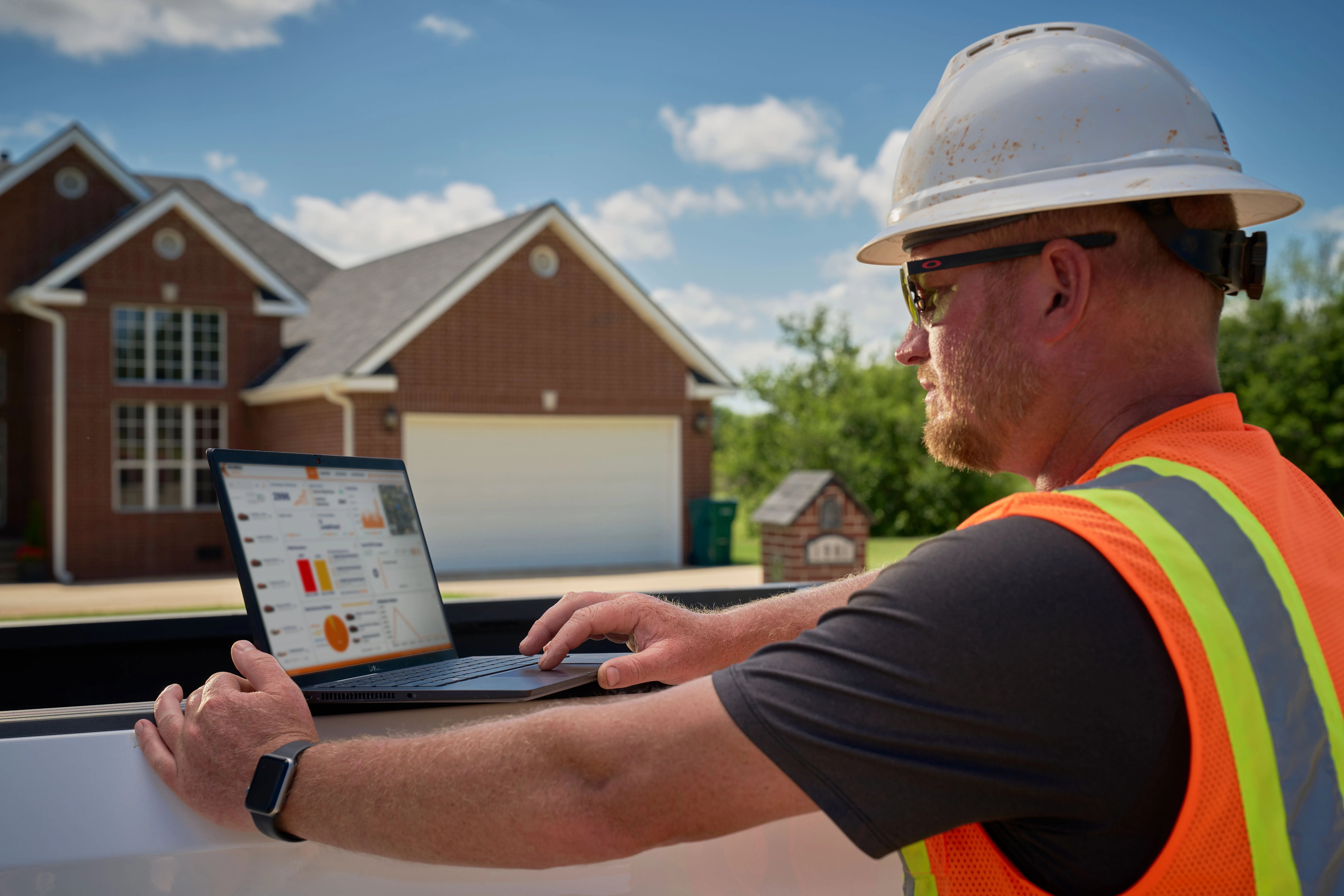
Additionally, telematics offers opportunities to reduce maintenance costs, with predictive insights that can prompt timely service and prevent breakdowns. Combined with GPS-enabled fleet management tools like Ditch Witch’s Orange Intel, contractors can go even further, setting up digital job site fences to monitor machine movement and recover lost or stolen equipment.
A strategic approach to compliance
Compliance represents another area of opportunity for telematics, as contractors try to stay ahead of emerging standards.
Bid specifications fall in this category. Increasingly, they require that electronic drilling records be submitted upon project completion. In some places, like California and Europe, regulations now mandate that contractors provide data records of underground installations — and other states and regions are expected to follow suit.
Collecting and maintaining this data can feel like another hoop to jump through — but a more precise record of congested easements helps protect people and underground utilities. Telematics can help lay the groundwork for compliance and make the process more streamlined for contractors. This data can help operators fulfill data-reporting requirements and over time enable more accurate estimation of the hours required for future jobs.
Other HDD technologies also facilitate easier methods of compliance. An HDD guidance system can digitally automate the generation of the as-built report, which can save time and reduce the potential for errors compared to writing bore logs by hand, helping contractors get paid sooner.
Problem-solving through data
When operators have access to more data on machine health and performance, they can maximize productivity and reduce downtime on job sites. The fleet management tools that provide these insights via smartphone, tablet or computer make proactive problem-solving more accessible than ever.
Contractors can monitor machine performance indicators, for example, to assess how quickly crews are using components such as drilling bits and digging chains. Operators also can track fuel and DEF levels, battery performance and other systems, which allows them to identify and address potential issues proactively — preventing costly downtime.
In the event of problems on the job site, diagnostic data can be shared instantly with teams and dealers, which supports faster troubleshooting and resolution. This efficiency ensures machines are back up and running as quickly as possible, minimizing delays.
Operators also can gain a better understanding of big-picture utilization. They can monitor how machines are used and measure the number of products being installed from one job to the next. This data can reveal issues that may require further attention, such as machine misuse or underutilization. It also can support better planning for future projects to ensure optimal efficiency and productivity.
The data-driven advantage
Speed, accuracy and accountability are more important than ever before on modern job sites — and that means contractors must be able to operate with full visibility. Telematics provides the transparency and command required for informed, real-time decision-making. With this technology, operators can optimize machine efficiency and adapt to changing site demands while keeping crew productivity on track.
In today’s challenging landscape, telematics is an essential tool, transforming raw data into actionable insights that enhance HDD operations. For contractors strategizing how to stay competitive this technology is not just beneficial, it’s indispensable.